Zimbabwe Safari Guide: What a Small-Group Safari Is Actually Like
When people search for a Zimbabwe safari, they usually picture a jeep on an open plain with elephants crossing in the background. That image is real, but it is only a small part of what a well-designed Southern Africa safari actually feels like. A thoughtfully structured Zimbabwe safari blends wildlife, landscape, history, and cultural immersion into one continuous experience rather than isolating the bush as a standalone moment. It is not simply about seeing animals. It is about understanding where you are and why it matters.
This journey moves from the pulse of Johannesburg to the dramatic cliffs of Blyde River Canyon, into the wildlife-rich terrain of Kruger National Park, and finally to the roar of Victoria Falls. That progression is intentional because safari becomes more powerful when it unfolds gradually. When you understand the region before entering the wilderness, everything you see carries more weight. The animals feel connected to the landscape, and the landscape feels connected to the people. That arc is what makes this Zimbabwe safari experience feel complete rather than rushed.
Starting in Johannesburg: Context Before Wildlife
The trip begins in Johannesburg, and that starting point matters more than people expect. Before scanning the horizon for wildlife, you explore the Apartheid Museum, walk through Soweto with a private guide, and sit down for a cultural dinner that introduces you to local traditions. This grounding shapes the entire experience because you are not just arriving to observe animals. You are stepping into a region with layered history and resilience. The connection between people and place becomes clear before you ever enter a national park.
We approach Southern Africa with the same philosophy we describe in Portugal Beyond Lisbon: Coastlines, Culture & Why It’s Perfect for Small-Group Travel, where cultural context transforms scenery into something meaningful. By the time you leave Johannesburg, you are already immersed in the rhythm of the region. The city experience does not compete with safari. It strengthens it. When you finally head toward the bush, you carry a deeper understanding of the land you are entering.
From Canyon Roads to the Safari Lodge
As you leave Johannesburg, the landscape begins to shift along the Panorama Route, one of the most scenic drives in South Africa. Blyde River Canyon stretches wide, and viewpoints like God’s Window and Three Rondavels recalibrate your sense of scale. These are not filler stops on the way to safari. They prepare you for the vastness you are about to experience in Kruger National Park. The gradual transition from city to canyon to bush allows your nervous system to slow down naturally.
Long drives are broken up by intentional scenic pauses, and the shift from urban energy to wilderness happens gradually. By the time you arrive at the safari lodge, your pace has already softened. That pacing is deliberate and reflects what we outline in What Makes a Trip Feel “Easy” Once You’ve Booked (And Why That Matters). When the transitions are thoughtful, the experience feels seamless instead of exhausting. You are not racing toward wildlife. You are moving toward it with intention.
What a Kruger National Park Safari Is Actually Like
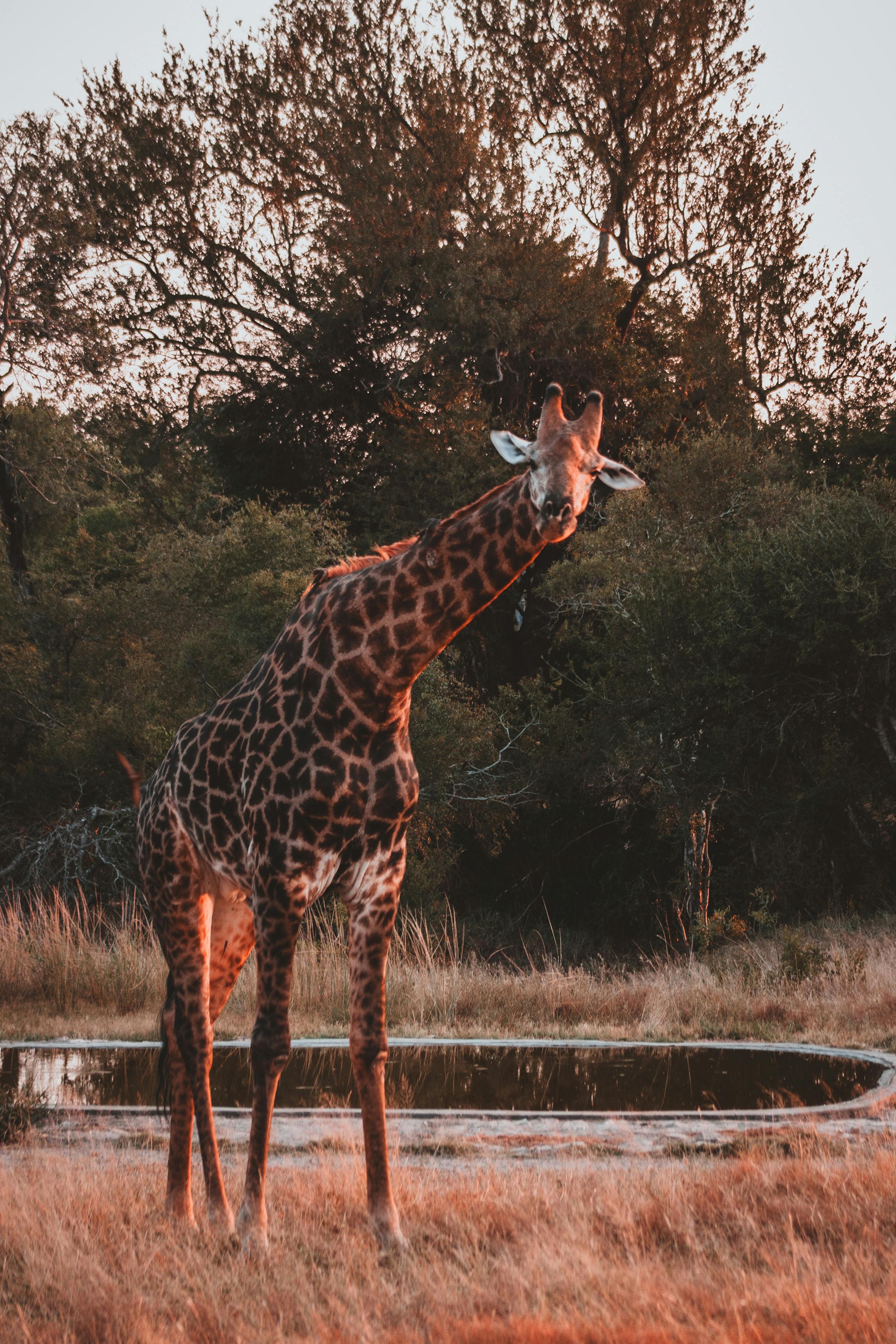
A Kruger National Park safari is not constant adrenaline, and that often surprises first-time travelers. Early mornings begin before sunrise, when the air is cool and the bush feels almost silent. Game drives move at the rhythm of the environment rather than the clock. You might follow tracks for a while before spotting lions, or spend extended time watching elephants cross in the distance. The experience rewards patience rather than speed.
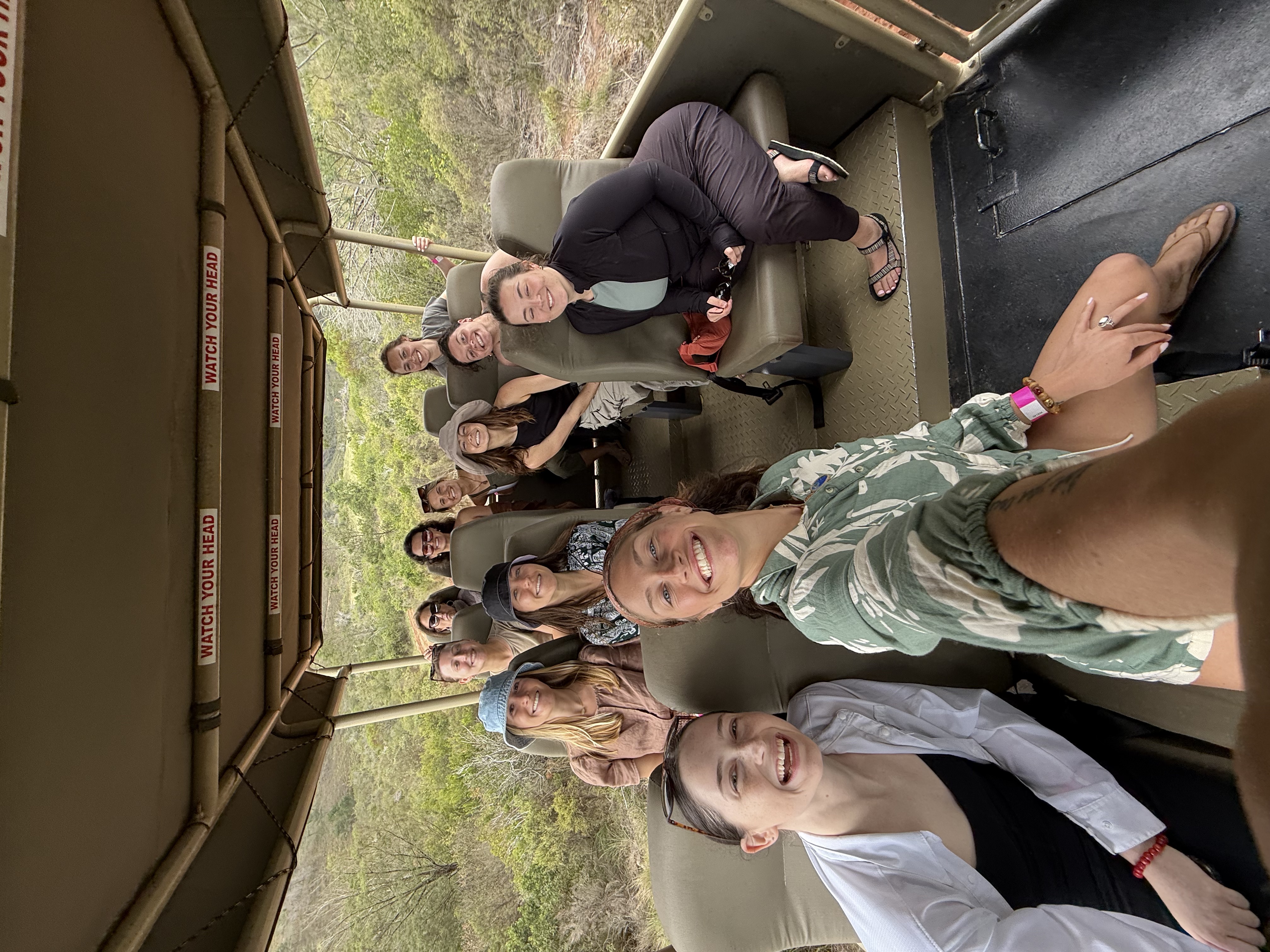
The beauty of a small-group safari in Africa is that you are not navigating a massive vehicle filled with people competing for the same view. You can ask your naturalist thoughtful questions about behavior patterns, migration routes, and conservation efforts without feeling rushed. That sense of guidance reflects what we explain in Is Adventure Travel Safe? What We Actually Mean by “Supported”. You are supported by experts who understand the terrain and wildlife deeply. The logistics are handled so the wilderness can feel real rather than staged.
Crossing Into Zimbabwe and Experiencing Victoria Falls
After two immersive safari days, the journey shifts north to Victoria Falls in Zimbabwe, and the energy changes once again. Victoria Falls is one of the Seven Natural Wonders of the World, and standing before it feels powerful in a completely different way than tracking wildlife. A sunrise train ride through Zambezi National Park introduces the region from a new vantage point. A private guided walk along the falls adds historical and geological context to the scale of what you are witnessing.
Evenings bring a sunset cruise along the Zambezi River, where the pace slows and the landscape feels expansive again. A free day allows you to choose your level of adventure, whether that is white-water rafting, a helicopter flight over the falls, or simply wandering town and letting the experience settle in. That flexibility is part of the design. We explore this dynamic more in Who Small-Group Adventure Travel Is (And Isn’t) For, because the right structure enhances independence rather than limiting it. When everything is coordinated, you are free to engage fully with your surroundings.
What Makes a Zimbabwe Safari Different
Zimbabwe safari experiences often feel less commercial and more spacious than other high-traffic safari destinations. Wildlife encounters unfold naturally, and there is room for quiet observation without feeling hurried. The combination of Kruger National Park and Victoria Falls creates both depth and contrast, balancing patient wildlife tracking with dramatic natural wonder. Small-group safari travel allows for shared moments without crowding the experience.
This journey across Southern Africa is not simply about spotting the Big Five. It is about understanding ecosystems, landscapes, and human stories together. That is why our Zimbabwe safari trip continues to resonate with travelers who want more than a checklist. When paired with one of our South Africa departures, the experience feels layered and intentional. The result is a Zimbabwe safari that feels immersive, supported, and deeply connected to place.