Patagonia Travel Guide: Why February Is One of the Best Times to Visit Patagonia for Adventure
There are some places that look dramatic in photos.
And then there’s Patagonia.
Patagonia is not a subtle destination by any means. It throws granite towers at the sky, sends wind across wide open plains, and dares you to step into terrain that feels like you’re on another planet.
If you’re searching for Patagonia adventure travel, what you’re probably really asking is:
Is it worth it?
Is it hard?
Is it expensive?
And when is the best time to visit Patagonia?
Let’s start with timing. If you’re looking at Patagonia in February, you’re already doing something right.
Why February Is Prime Patagonia Season
February sits right in Patagonia’s late summer, which makes it one of the best times to visit Patagonia for hiking and trekking.
This means long daylight hours, milder temperatures, stable hiking conditions, and trails that are accessible without feeling empty in an eerie way. For adventure travel, this combination matters.
Patagonia is not a place you simply “see.” It’s a place you move through. And movement depends heavily on weather, trail conditions, and light.
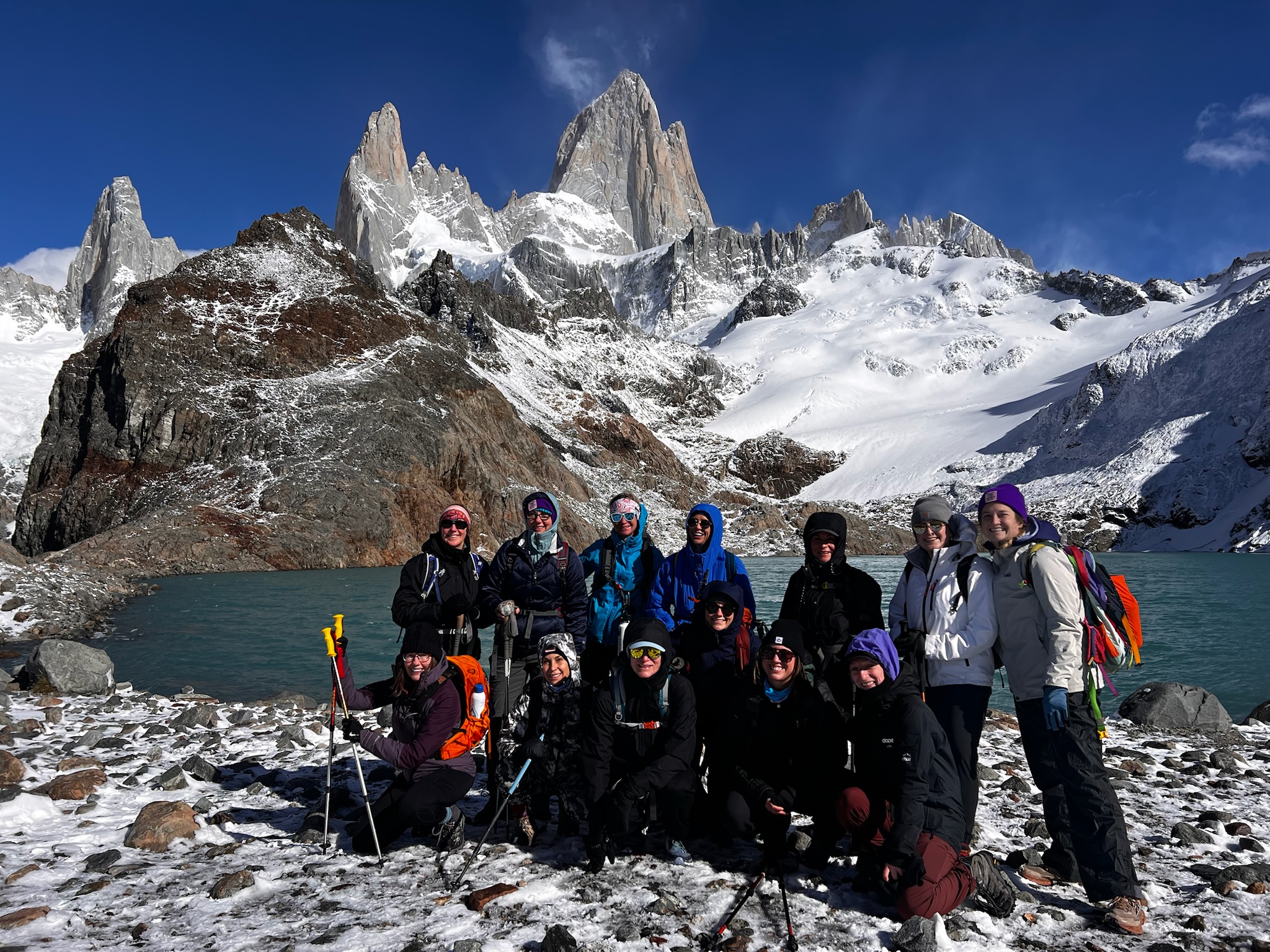
In February, you get extended daylight for long hiking days in places like Torres del Paine National Park. The famous towers glow later into the evening. Glacier walks feel energizing rather than punishing. Wind is still part of the equation, because this is Patagonia after all, but it’s typically manageable compared to shoulder seasons.
If you’re planning a Patagonia hiking trip, February offers one of the strongest balances between access and adventure. It’s the kind of season where your body can rise to the challenge without fighting the elements every step of the way.
What Makes Patagonia Physically Rewarding
Let’s be clear.
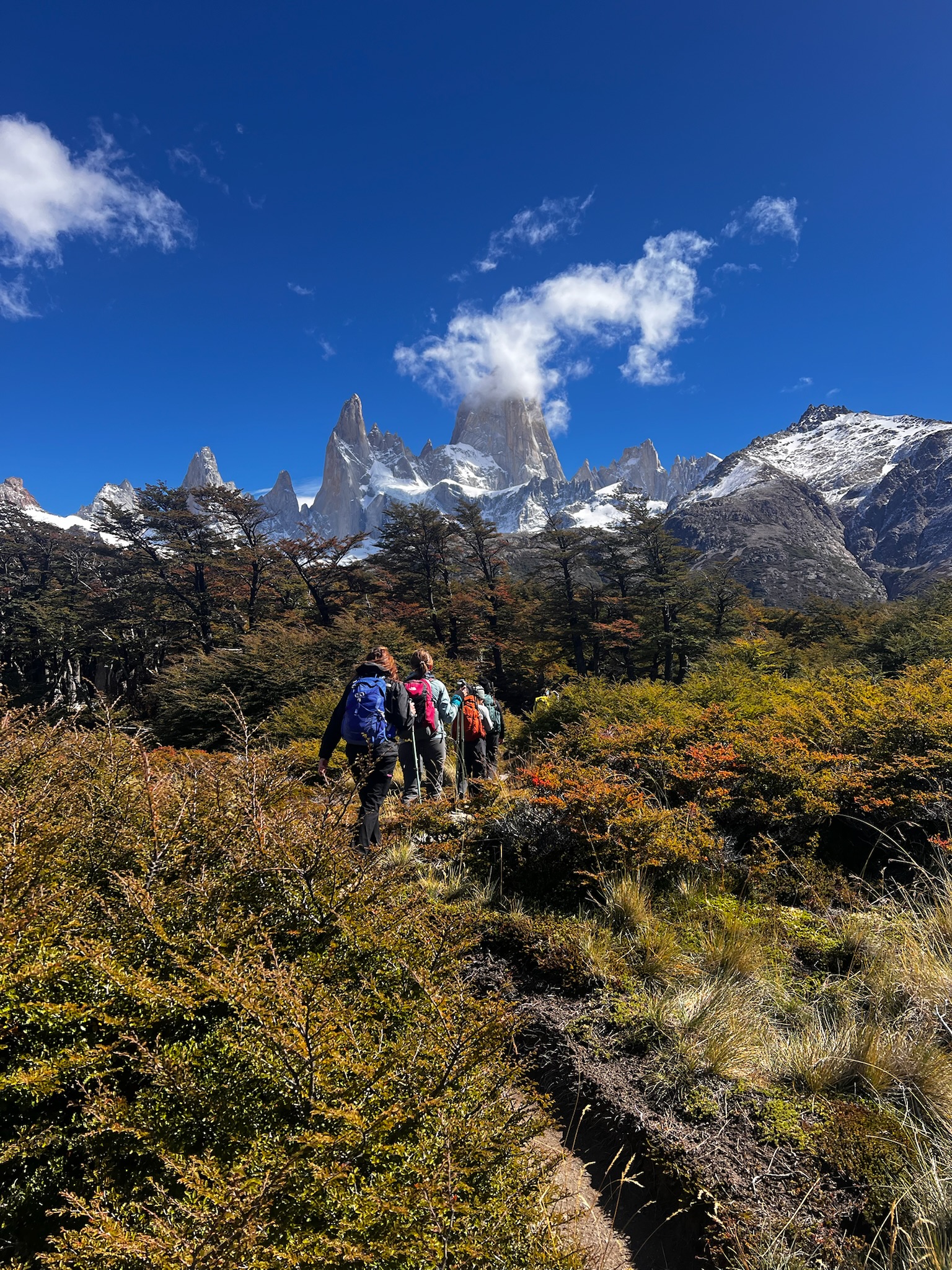
Patagonia is not passive travel. You will hike. You will feel your legs. You will earn the views. And that’s exactly why people come for a Patagonia trek.
There’s something deeply satisfying about watching the landscape open up because you walked to it. You don’t scroll past Patagonia. You breathe it in after a climb. You sit with it after effort. That physical investment changes the emotional payoff.
If you’ve read What Trekking in Peru Is Actually Like Day to Day, you already understand how movement reshapes experience. Patagonia carries that same principle, just on a different scale. The terrain is wider. The air feels sharper. The reward feels cinematic.
It’s not about suffering. It’s about engagement. For travelers searching for the best Patagonia hiking experience, this is what they’re really looking for. Effort that feels meaningful.
Why Small-Group Travel Works So Well in Patagonia
Patagonia travel can be logistically complex. Distances are long. Weather can shift quickly. Glacier excursions and national park access often require advanced planning. This is not the kind of destination where you want to be refreshing bus schedules mid-hike or guessing whether you secured park permits correctly.
This is where small-group adventure travel in Patagonia shines.
When the structure is handled, you get to focus on the landscape. You don’t spend energy coordinating transport or managing trail logistics. You spend it looking up at mountains that don’t look real.
In What Makes a Trip Feel “Easy” Once You’ve Booked (And Why That Matters), we talk about the invisible work behind the scenes. Patagonia is one of the clearest examples of why that matters. The ease allows the challenge to feel exciting instead of overwhelming.
The February Energy in Patagonia
There’s something about February specifically that feels balanced.
It’s still peak season for Patagonia travel, but it doesn’t carry the early-summer chaos. Trails are active but not frantic. The air feels alive. Wildflowers linger in certain regions. Lakes shift between deep blue and electric turquoise depending on the light.
If you’re wondering about weather in Patagonia in February, expect cool mornings, comfortable hiking temperatures during the day, and crisp evenings that feel earned after long treks.
You wake up knowing you’re going to move that day. You go to bed knowing you earned it. It’s not a luxury vacation or a spa week. It’s an adventure in the truest sense.
And yet, when it’s structured properly, it feels grounded rather than chaotic.
Who Patagonia Is For
Patagonia is for people who want to feel something physical.
It’s for travelers who don’t mind waking up early for the right sunrise. For people who find satisfaction in effort. For those who want landscapes that feel vast enough to reset perspective.
If you’ve ever wondered whether a Patagonia small group tour might actually deepen your experience rather than dilute it, it’s worth reconsidering. We unpack that more in Who Small-Group Adventure Travel Is (And Isn’t) For, but the short answer is this: when the group is aligned around curiosity and movement, the energy elevates everything.
Patagonia rewards engagement.
Why February 2027 Is Worth Planning Now
Patagonia is not a spontaneous destination.
It requires planning. National park access. Accommodations near Torres del Paine. Seasonal timing. Transportation windows between regions. February is one of the highest-demand months for a reason.
Our February 2027 Patagonia adventure trip was designed around peak hiking conditions and optimal flow. Long daylight hours. Intentional recovery between major trekking days. Seamless transitions across landscapes.
This trip has become one of our most popular Patagonia departures because the conditions consistently deliver.
The landscape is bold. The hiking is rewarding. And the shared moment of standing in front of those towers after earning the view stays with people. Patagonia is dramatic year-round, but February is when it feels most alive.
And if you’re going to experience Patagonia adventure travel, you might as well do it in a season that works with you, not against you.