Nepal Trekking Guide: What It’s Like to Hike in the Himalayas
When people search for Nepal trekking, they usually imagine one thing. Snowcapped peaks. Prayer flags. A trail winding through the Himalayas with Everest somewhere in the background. And while that image is not wrong, it barely scratches the surface of what hiking in Nepal actually feels like. A trek in the Himalayas is not just about altitude or views. It is about rhythm, culture, and the mindfulness that occurs when you spend multiple days moving on foot through mountain villages.
Nepal trekking is immersive in a way that surprises people. The days are structured around walking, but the experience extends far beyond the trail itself. You move through landscapes that feel cinematic, but you also pass through tea houses, small towns, and working farmland that remind you this is a living region. The scale is dramatic, yet the details are intimate. That balance is what makes a Himalayas trek feel so powerful.
The First Few Days: Finding Your Pace
One of the biggest misconceptions about trekking in Nepal is that it is constant intensity from day one. In reality, the early days are about pacing and acclimatization, especially on routes like the Annapurna region. You walk steadily, gaining elevation gradually while allowing your body to adjust to the altitude. The scenery begins to shift from terraced fields to pine forests and eventually to alpine terrain, and you feel the transition physically as well as visually.
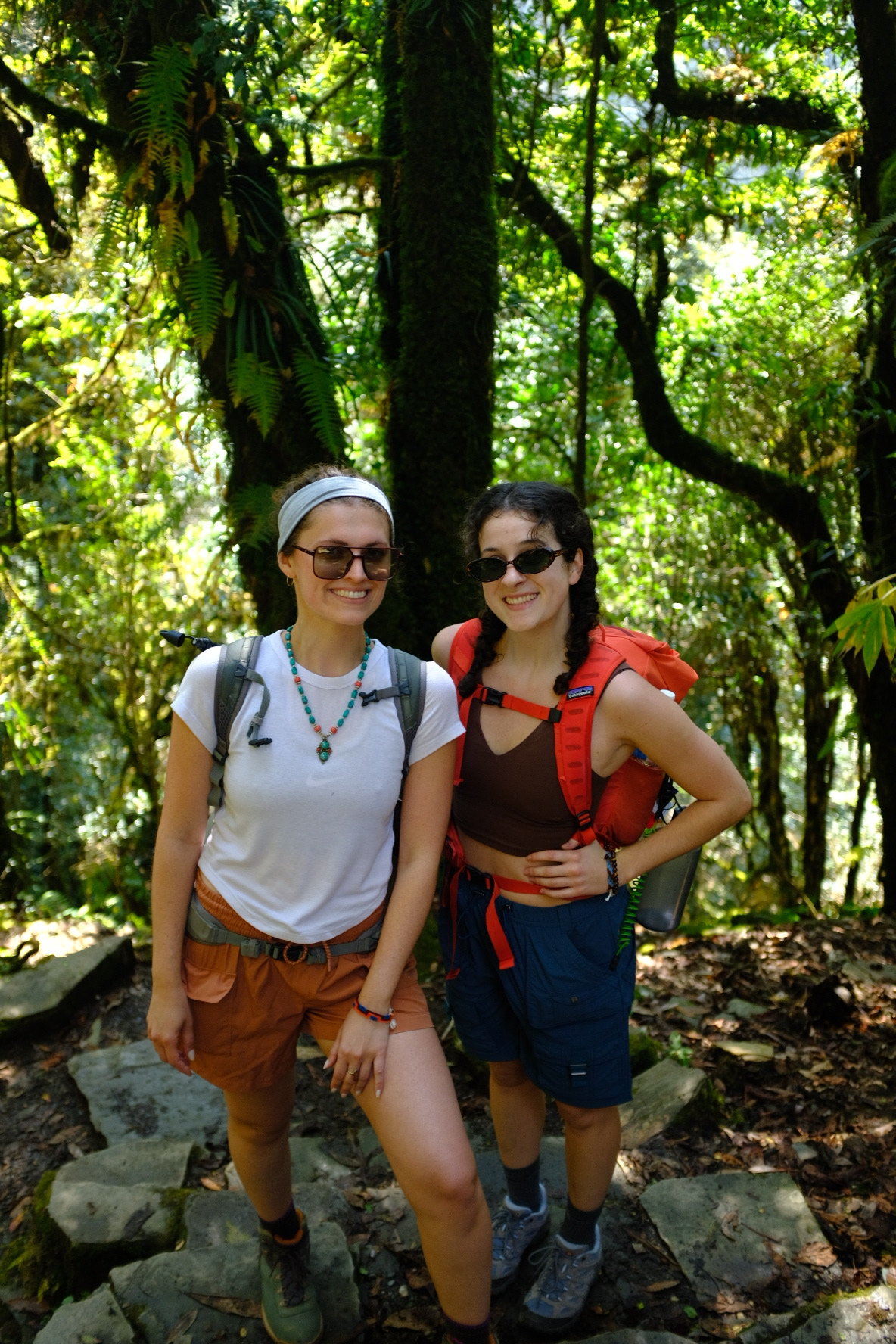
The key is not speed but consistency. A well-designed Nepal small group trek builds in realistic hiking distances and intentional rest points so that altitude feels manageable rather than overwhelming. We approach this similarly to how we structure physically immersive trips like in What Trekking in Peru Is Actually Like Day to Day, where movement is intentional and sustainable. The goal is not to conquer the Himalayas in record time. It is to experience them fully and safely.
What a Typical Trekking Day Feels Like
A typical day of hiking in the Himalayas begins early, often with clear mountain air and quiet trails. Breakfast happens at the tea house before setting out, and the trail gradually climbs through changing terrain. You walk for several hours, breaking for tea, photos, and moments to simply take in the landscape. The physical effort is real, but it feels purposeful rather than punishing.
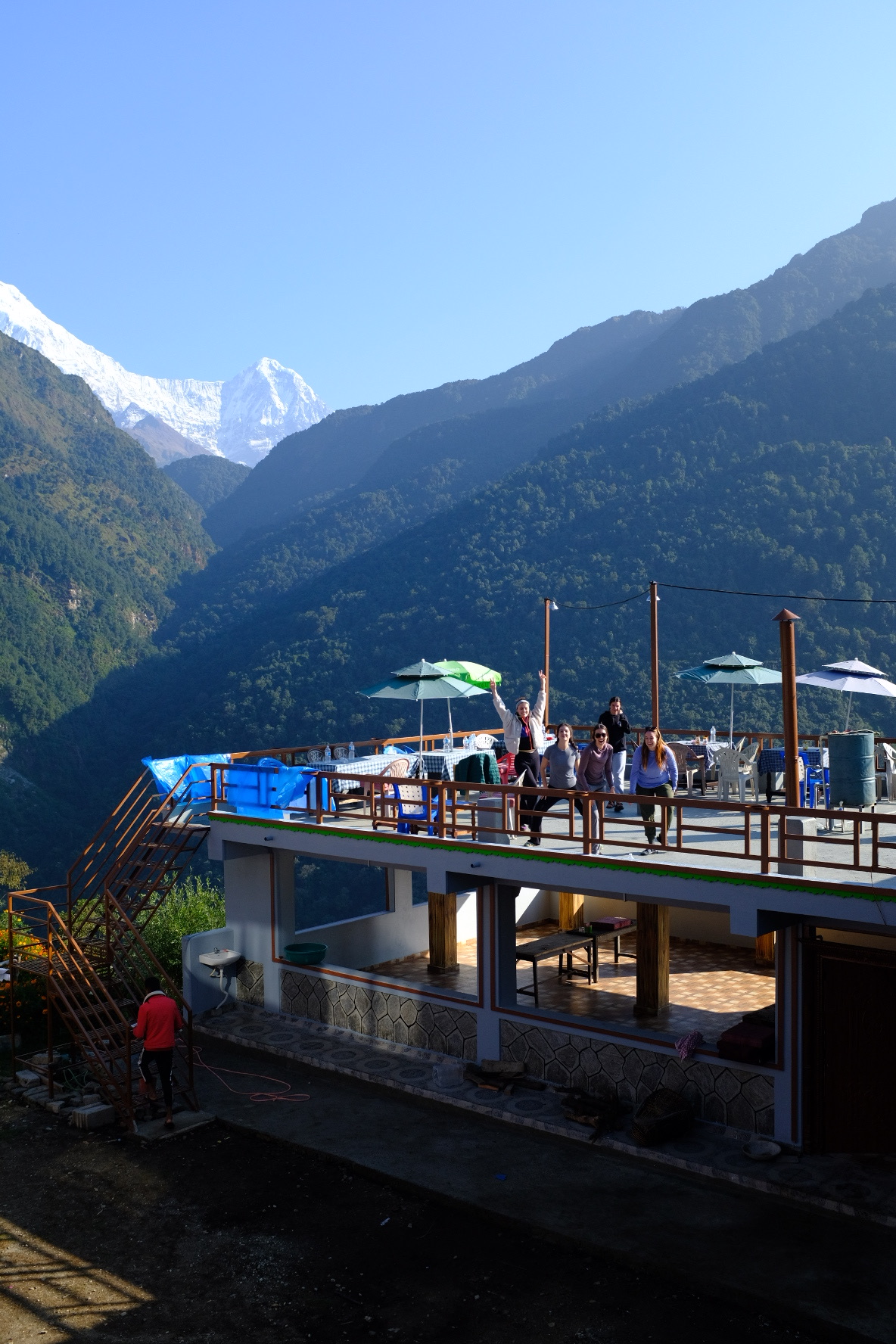
By mid-afternoon, you arrive at the next village or lodge, where the pace slows naturally. Evenings are communal, often spent sharing meals and stories while the mountains fade into dusk outside the windows. There is something grounding about this routine. The simplicity allows you to focus on the experience instead of logistics, which reflects the same philosophy we describe in What Makes a Trip Feel “Easy” Once You’ve Booked (And Why That Matters). When the structure is handled, you can focus entirely on the climb and the connection.
Culture Is Woven Into the Trail
Trekking in Nepal is not just a physical journey. It is also a cultural one. As you move through villages, you pass Buddhist monasteries, prayer wheels, and local schools. Children wave as you walk by, and small shops offer tea and snacks to trekkers passing through. The mountains may dominate the skyline, but the human presence shapes the experience.
This cultural immersion adds depth to the trek. It is similar to how we approach destinations in Portugal Beyond Lisbon: Coastlines, Culture & Why It’s Perfect for Small-Group Travel, where understanding daily life enhances the landscape itself. In Nepal, that connection feels especially meaningful because you are moving slowly enough to notice it. The Himalayas are not just scenery. They are home to generations of communities.
Is Nepal Trekking Difficult?
This is the question everyone asks, and it is a fair one. Nepal trekking can be challenging, particularly because of altitude, but it is not reserved for elite athletes. What matters most is preparation, pacing, and guidance. When you trek with experienced local guides who understand the terrain and altitude patterns, the experience becomes manageable and safe.
We talk about the importance of experienced leadership in Is Adventure Travel Safe? What We Actually Mean by “Supported”, and that principle is especially relevant in the Himalayas. A strong support system allows you to focus on the trail instead of worrying about logistics or altitude decisions. The difference between an overwhelming trek and a transformative one often comes down to thoughtful structure. When the itinerary is designed correctly, the challenge feels empowering rather than intimidating.
Why a Small-Group Trek in Nepal Changes the Experience
A Nepal small group trek feels different than navigating the trail independently. With a smaller group, you move efficiently, adjust naturally, and have space for both conversation and quiet. You are not competing for guide attention or navigating decisions alone. The dynamic encourages connection without forcing it.
If you have ever wondered whether small-group adventure travel enhances or limits an experience like this, it is worth revisiting Who Small-Group Adventure Travel Is (And Isn’t) For. The Himalayas amplify group energy because shared effort creates shared memory. Watching the sun rise over Annapurna after several days of climbing feels different when you earned it together. That shared accomplishment lingers long after you return home.
Why October Is Prime Trekking Season in Nepal
If you are considering a Nepal trekking trip, timing matters. October is widely considered one of the best times to trek in Nepal because the monsoon season has cleared, leaving behind crisp skies and strong visibility. The temperatures are comfortable for hiking, and the mountain views are often at their sharpest. Trails are active but not chaotic, creating an energetic yet grounded atmosphere.
Our Nepal October 2026 small group trek was designed around these ideal conditions. Clear mornings, stable weather, and strong trail access allow the Himalayas to show up fully. When you pair seasonal timing with thoughtful pacing, the trek feels expansive rather than rushed. That alignment between environment and design is what turns a good trek into an unforgettable one.
Trekking in Nepal is not simply about reaching a viewpoint. It is about committing to a rhythm, trusting your pace, and allowing the Himalayas to reshape your perspective one step at a time. When structured intentionally, the experience balances challenge with support and physical effort with cultural immersion. Our Nepal trek captures that balance in a way that feels both grounded and extraordinary. And when you finally stand at altitude looking out over the peaks, you realize the climb was never just about the summit. It was about the journey there.